

Watch Well Games #83
Special 5th Friday issue. Review: Free League's Vaesen Mythic Carpathia - Part 1


Welcome to newsletter!
Hi there. I’m K.J. with your special 5th Friday issue. Newsletters are always 100% free. Enjoy them? I have a tip jar. Want to hear more from me? Check out my Notes.
Today:
Forklore, history, belief systems, and cultures meld (and possibly even collide) in Central and Eastern Europe in the world of Vaesen Mythic Carpathia. Join me as I begin a multi-issue review series Free League’s gothic horror roleplaying game set in the late 19th century.
Coming soon in future newsletters:
Reviews for loads of indie games. Final play-through report(s) for Outgunned RPG (including the grand finale!).
🕵️♀️First, An Introduction: What is Vaesen RPG?
The best way to get introduced to the world and game of Vaesen is to dive into the source itself. Rather than me trying to reinvent the wheel, let me instead post the fantastic videos Free League produced, with the bonus that some feature the charming Ellinor DiLorenzo.
NOTE: Free League did produce a trailer video for Mythic Carpathia, but I am NOT posting it here, as I cannot watch it due to the photosensitive epilepsy warning. If you click this link, it will take you to the trailer. Viewer discretion advised.
The world of Vaesen stems from the gorgeous artbook by the gifted artist Johan Egerkrans.
Making a character in Vaesen is extremely easy. Allow Ellinor to guide you through the process here:
Lastly, here’s a short intro on how mysteries in the world of Vaesen might unfold - dice rolls and roleplaying including thanks to Ellinor x 2:
🎲Review: Vaesen Mythic Carpathia - Part 1
by K.J. Montgomery

So far, I’ve ran two sessions for my players. One of them was a session zero where the players discussed their characters’ connections with each other (a common element in Free League’s games; see page 21 of the Vaesen core rulebook). The second session was a homebrewed take on the Starter Set introductory adventure.
Why did I modify the Starter Set’s introductory adventure?
Because you as the GM might find yourself in a similar situation. We decided to start our long-term campaign for Vaesen in the realm of Mythic Carpathia, which is located in Prague, Czech Republic of the late 1880s rather than Upsala, Sweden (the default location for Vaesen).
What makes this more fascinating: The Powder Gate in Prague is a real physical building, and it is here that the Pravda Society has situated its headquarters. Meanwhile, the HQ for the Nordic branch is over over 1400 km in Upsala. In modern-day terms, traveling by train would take well over 24 hours. The setting is late 1800s, so the journey could be even longer. It seems less sensible then to have players take that long-distance journey as new members of the Pravda, unless you utilize this lengthy journey in distance and time as a way for the PCs to do a bit of adventuring or simply handwave the trip via a quick red line, travel by map montage.
I plan to share this FREE introductory adventure once I finish polishing a few bits. When it’s ready, I’ll be sure to let you know!
That said, let’s begin looking in Vaesen Mythic Carpathia from this starting point.
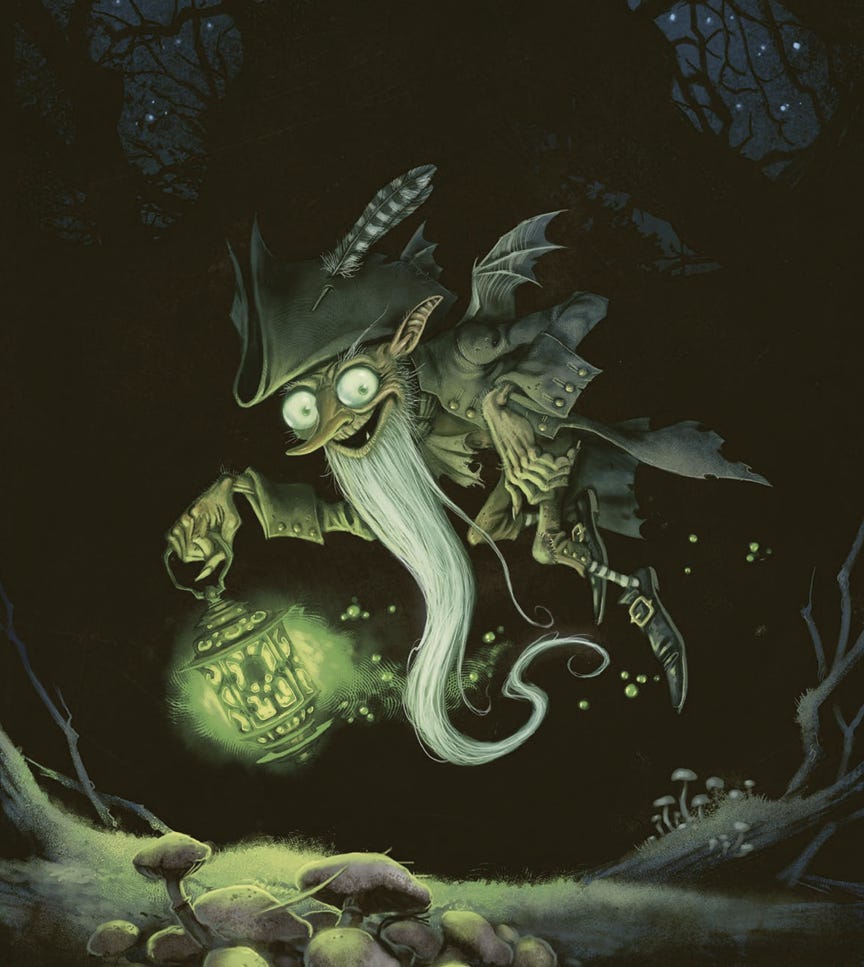
Title: Vaesen Mythic Carpathia
The pitch: In the core rulebook written by Nils Hintze, PCs known as Thursday’s Children have a unique sense known as the Sight which allows them to see vaesen, mythical creatures dwelling in a dark Gothic setting. Folklore and the old myths of the land have kept the stories alive, but does anyone really believe they’re real? The Society exists to answer this very question (and more) as it investigates, studies, and if needed, banishes vaesen. This concept carries over to all expansion books, including the Carpathian one.
Format: Available in both PDF and print forms.
System: Uses the Year Zero Engine by Free League.
Mechanics: A pool of d6s, up to 10 is good enough.
Playtime: Assuming we play through all three mysteries, I’m estimating around 18 hours for total game session time, not counting the two introductory sessions I’ve held already.
Player count: I have five players right now, and it feels as if I could do this with two or three players if needed.
Character creation: Already covered in the video above, which I highly recommend.
Complexity: Not difficult.
Prep time: It’s taking me more time to prep for Mythic Carpathia (and anything else Vaesen related) because there’s so much I want to build out. To get the most out of this book, I’m estimating an average of two hours of prep per hour of play as a general guide. YMMV.
The setting and tone: For all books in the series, gothic horror, which can be dialed up or down depending on which vaesen are featured in the adventures. Free League describes it as ‘dark’ but I’ve seen far more grim TTRPGs. I appreciate the flexibility Vaesen provides: It doesn’t seem to go down this darker road without the ability to put the narrative vehicle into reverse and keep it on the lighter side.
Core loop: Macro loop: A fairly consisting yet adjustable mystery structure with eight parts - Prologue, Invitation, Preparations, The Journey, Arrival, Locations, Confrontation, and Aftermath. Micro loop: Supporting this macro structure you’ll find the foundation of the mystery, which has seven components - the vaesen, the conflicts (primary and secondary), the misdeed, the setting, the atmosphere, the clues, and the countdown to catastrophe.
Mechanically, to interact with both of these loops, the PCs normally state what they want to do. The GM usually calls for a roll if the action is risky and/or the outcome is uncertain. The player then forms a pool of d6s from the relevant attribute and skill along with any bonuses from help, gear, etc. Only 6s matter and they count as successes.
Gamemaster Considerations: The campaign of Mythic Carpathia is in Central and Eastern Europe. So chapter 1 furnishes readers with “historical information about the Slavs and other peoples in the region” (Austrians, Germans, Czechs, Jews, and so on) as well as “one of the most important cities of that time, the wonderful Prague, where the Pravda Society – the local branch of the Society – has its headquarters.” Many other cities are highlighted [Lemberg (Lviv), Krakau (Kraków), Budapest, Rijeka, and more).
The book details loads of historical elements that can prove useful, but just like with any other TTRPG featuring real-life components, you’re not bond to adhere to anything that makes you or players uncomfortable. It is a game, not a history lesson. Accuracy isn’t the focus; a good time gaming is. So build out the late 19th century in the fictional world of Vaesen to your liking. Page 5 of the book says this: “As always in the Vaesen roleplaying game, you should adjust technology and history to your style of play and chosen time. Pick whatever you need and find useful, and leave the rest behind.”
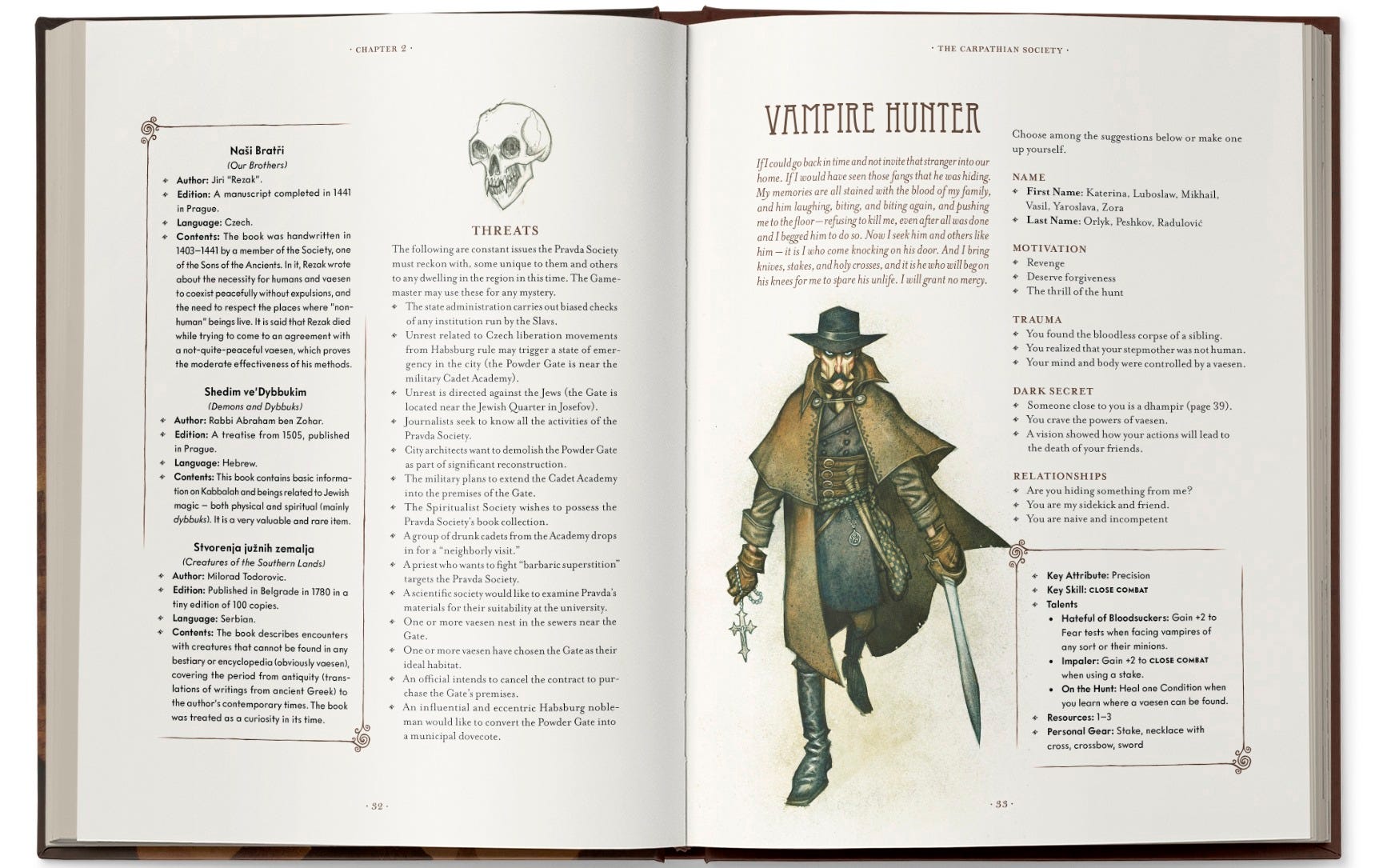
Beyond that, chapter 2 introduces new upgrades, books, and also a new archetype - Vampire Hunter - in the section that describes the Carpathian Society (locally referred to as Pravda). None of my players took this role, so I may build a character and then them on an adventure using the official rules for solo play. If I do, I will write a brief follow up on the results.
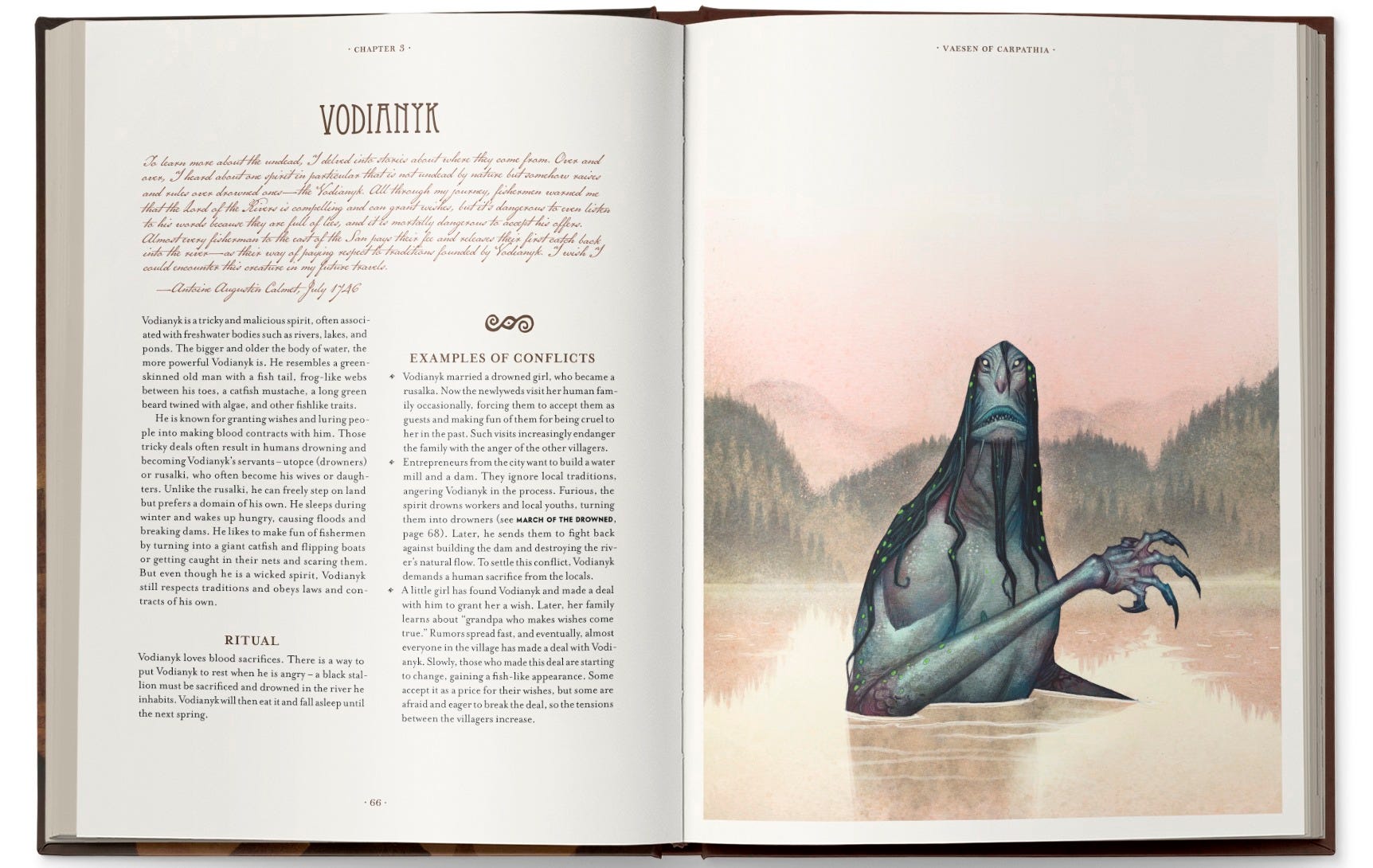
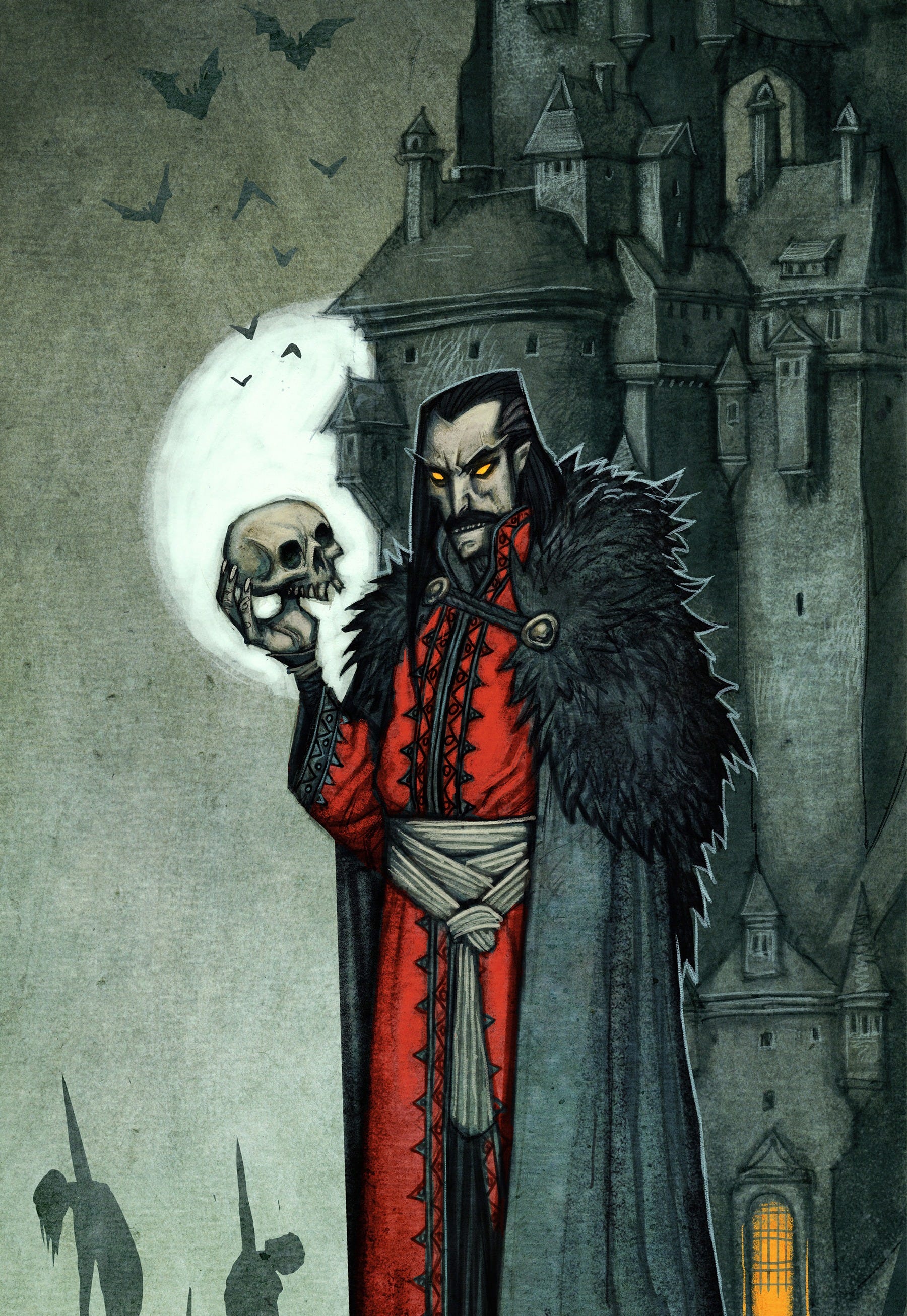
From there, chapter 3 presents to us 16 new vaesen, with Vampire, Baba Yaga, and Golem being perhaps the most well known.
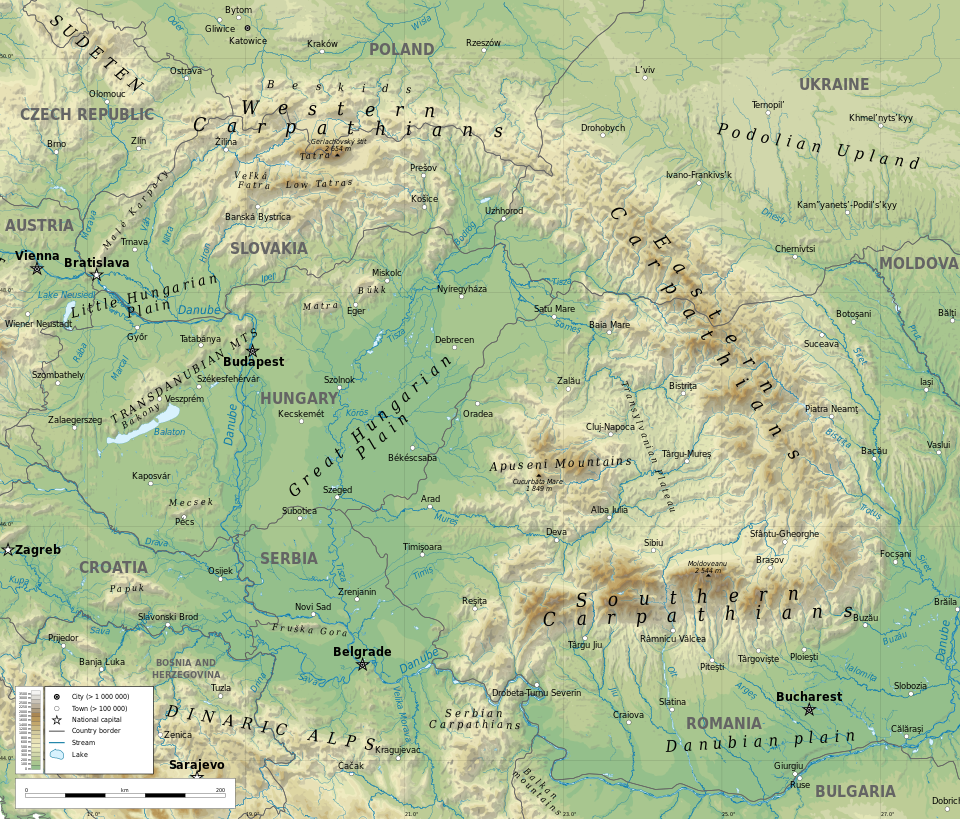
Chapters 4, 5, and 6 are reserved for the three adventures, set in Transylvania, Ukraine, and Prague respectively. They are complex enough for GMs to fill up several sessions.
Maps are in the book, and if you order the physical version, the double-sided map should be included as a separate item. Handouts are on the last few pages before the index, and Free League offers PDF versions at no cost on its website.
Play experience: At this point, all of us are enjoying the game. I almost feel guilty for how much I’m enjoying GMing this for the players. Vaesen has been on my shelf waiting its turn, so it feels quite rewarding to finally get a campaign started. Just like with balance of play and down sides, I will have more to share in future play-through reviews as I report our findings.
Balance of play: I feel it’s took early to determine whether some archetypes appear more powerful than others. While some of this may come from how active the players are in relation to others at the table, I think we’ll be able to assess which roles feel a bit more ahead of the curve as we continue to play. At this point though, it seems like every PC has to opportunity to meaningfully contribute to the investigation. Encounters can be unbalanced and yet not break the game. Some creatures need to be ran away from because they simply are too powerful. See the sidebar on page 173 of the core rulebook. I will continue to record how the balance of game play develops in future issues of this play-through review.
Originality (i.e. does it do something new?): I’ve not played enough gothic horror games to make this distinction, but I enjoy that PCs can usually parley and negotiate with a lot (if not most) of the vaesen rather than resorting to lethal solutions. PCs having a special ability (the Sight) is nice, as long as they don’t use/abuse it. The challenge with this aspect will be keeping it scarce, dare I say even costly, dangerous, or risky, to use. Otherwise, we’ve removed the narrative tension and simply found ourselves in an RPG where everyone has dark vision, perception, teleportation, and/or cast fireball. Time will tell if the Sight loses its preciousness.
Layout: So far, I’ve found maybe one or two small typos that were insignificant and easy to resolve (e.g. page 100 ‘t vykhrovyk’ instead of ‘the vykhrovyk’). The font may be smaller than some folks prefer. There’s loads of white space for the rest to rest and reset.
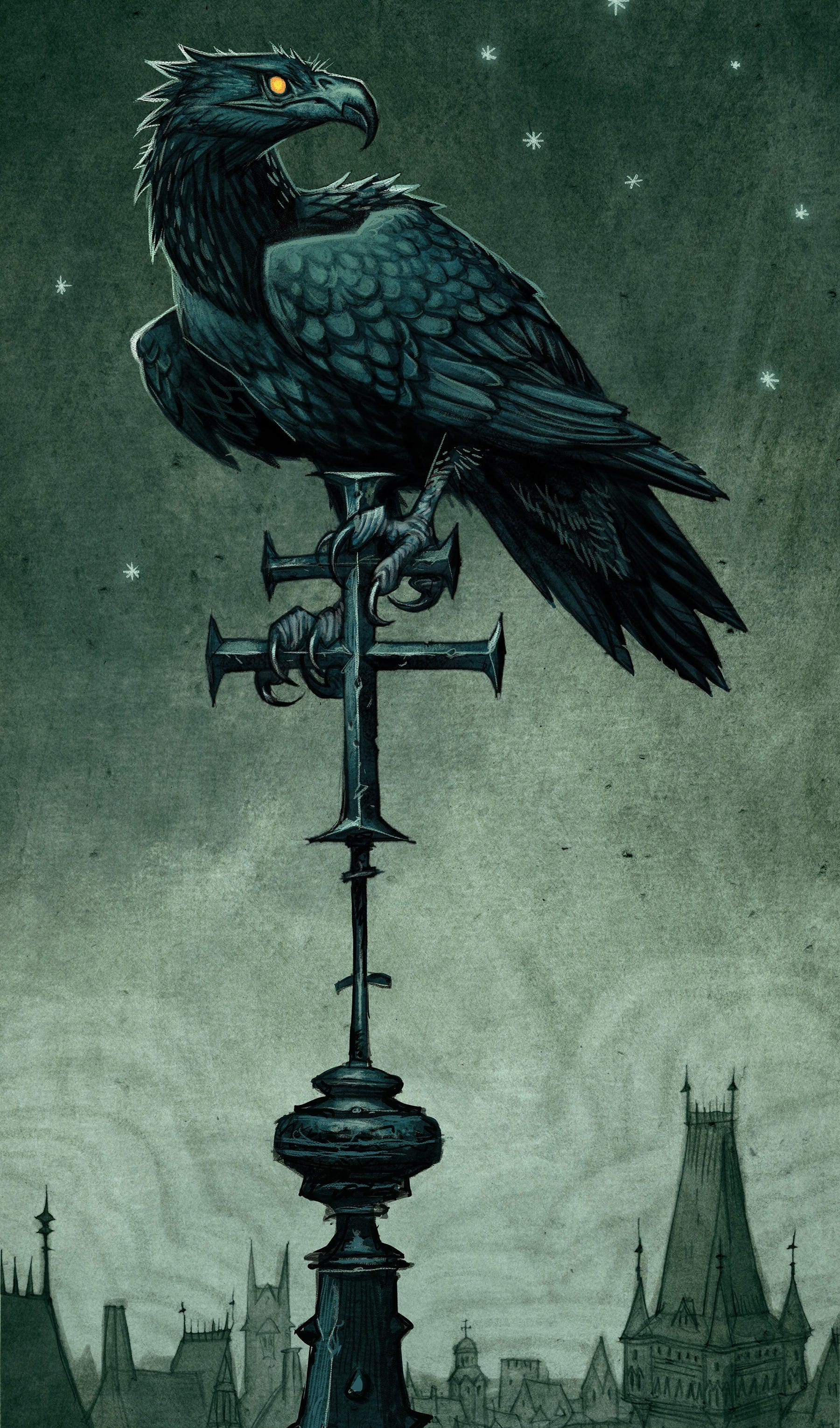
Art: No notes. It’s beautiful. Johan Egerkrans, Anton Vinton, Francesca Baerald, Moreno Paissan, Angela Gubert, Dan Algstrand, and Christian Granath created the portraits, maps, artwork, and all other graphic elements that make this book visually ‘pop.’
Any down sides?
I feel it’s fair to first observe and then report any down sides after I run all three adventures from the book. In future installments of this series, I’ll share what didn’t work well at my table, whether for me as the GM or for my players.
That said, one downside I identify right now is the lack of accessibility regarding the handouts. Print versions of any handouts where clues are written in cursive limits players who require or want richer accessibility.
Conclusion for part 1 of this review series
This expansion to the world of Vaesen has already proven to be a fascinating read for me. The setting of Central and Eastern Europe feels more relatable to me compared to Upsala, Sweden. Perhaps it’s because I grew up reading and learning more about these myths, legends, and locations rather than those in the Nordic region of the world. Who knows? Vaesen Mythic Carpathia a great source book, rich with detailed content that should provide GMs with plenty of inspiration for running gothic horror mysteries in the realm of all things Vaesen.
Bottom line: Who is this game for?
Mature teens and adults. Players who want to investigate mysteries and explore multi-dimensional challenges. PCs who prefer learning and studying to intelligently or creatively solve conflicts rather than engage in tactical combat or run full tilt into a situation against perceived and/or real hostilities. While there are many dangers lurking about, most PCs should be able to work together to survive and thrive in the mythical Carpathian Mountains.
Have you played Vaesen Mythic Carpathia RPG yet? I’d love to hear how things went for you!
Thanks for reading Watch Well Games. Until next time:
Disclosure: Newsletters may contain affiliate links at no cost to you or the creators.
Free newsletters drop every 2nd and 4th Friday (with special 5th Fridays when possible). Enjoy what you read here?